Mandaci una email
News & Insights

The demand for wall climbing robots has exploded, and breakthroughs in core technologies are driving multi scenario penetration

With the increasingly stringent safety regulations for high-altitude operations and the continuous release of maintenance needs for industrial facilities, wall climbing robots, as a key equipment to replace high-risk manual operations, have shown a rapid growth trend in market size. Data shows that the global market size for wall climbing robots is expected to reach 348 million US dollars by 2026, with a compound annual growth rate of 5.87% from 2026 to 2035. Among them, the construction, petrochemical, and power industries have become core demand scenarios, accounting for over 60%.

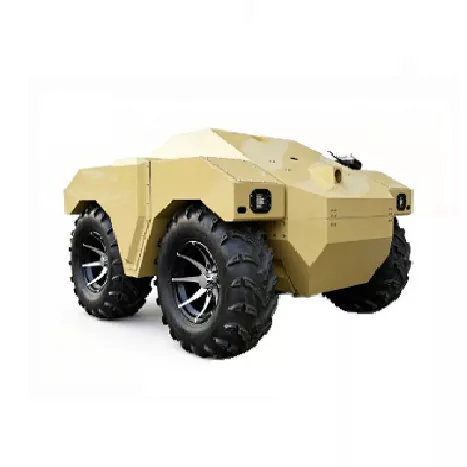
The popularization of wall climbing robots relies on a dual breakthrough in adsorption technology and chassis performance. At present, magnetic adsorption and negative pressure adsorption have become mainstream technological paths, with magnetic adsorption accounting for 41% of market adoption and suitable for metal wall operations, while negative pressure adsorption has more advantages in indoor commercial cleaning and other scenarios. At the same time, the application of lightweight materials and high-precision motors enables the chassis of wall climbing robots to achieve a balance between load and flexibility. Some products have reached a load to weight ratio of 3:1, which can be equipped with heavy-duty detection and cleaning equipment to complete complex operations.

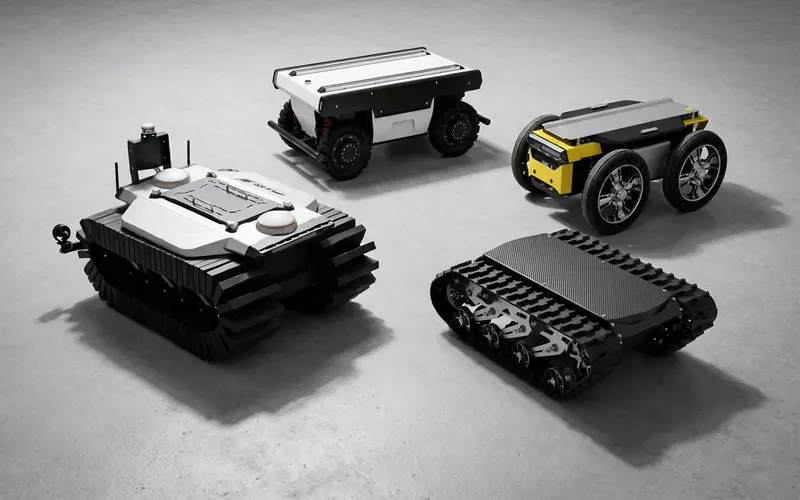
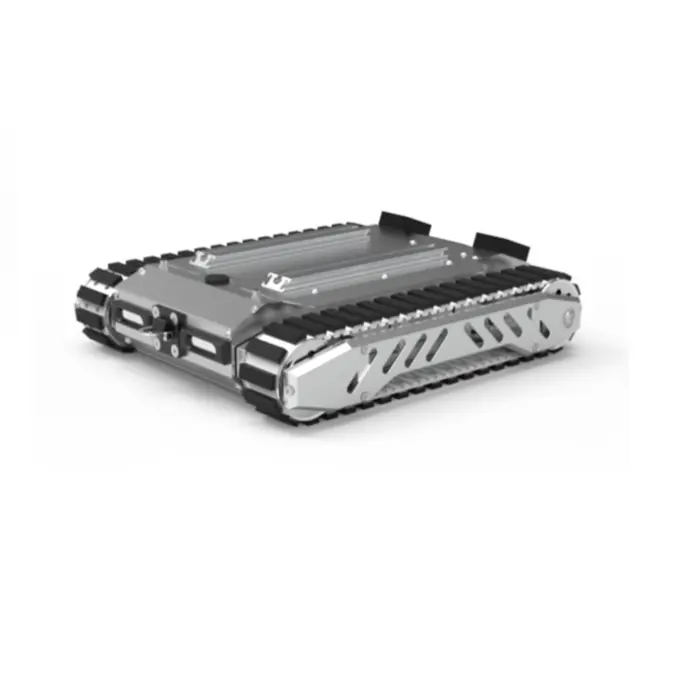
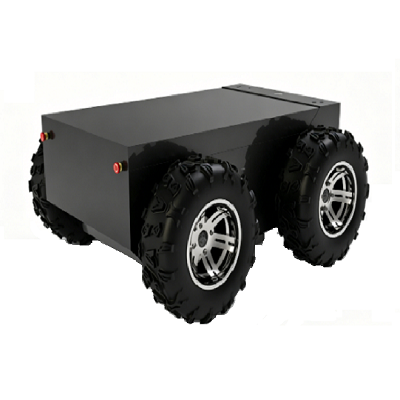
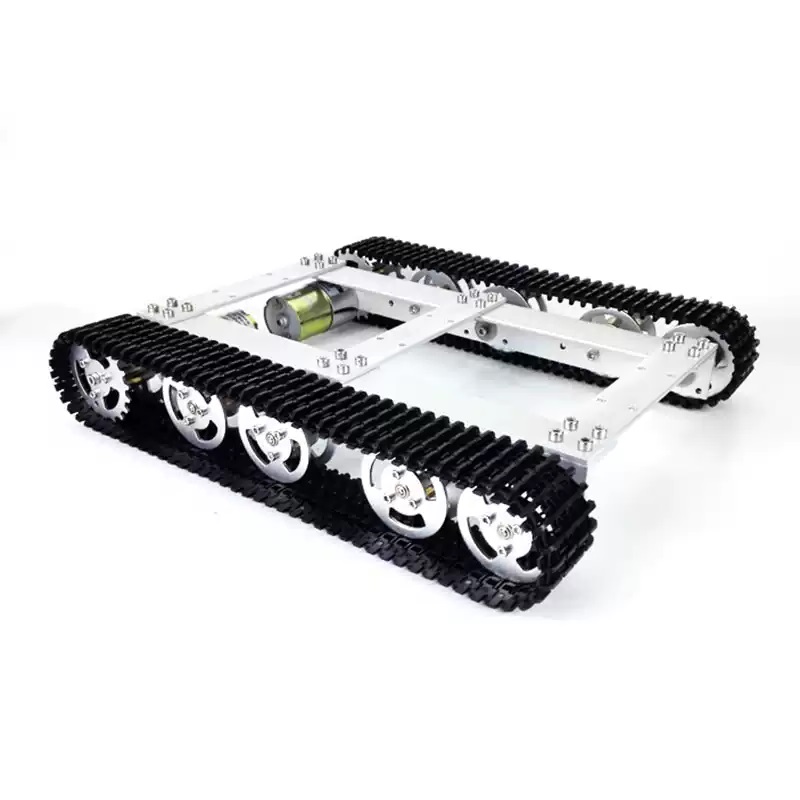
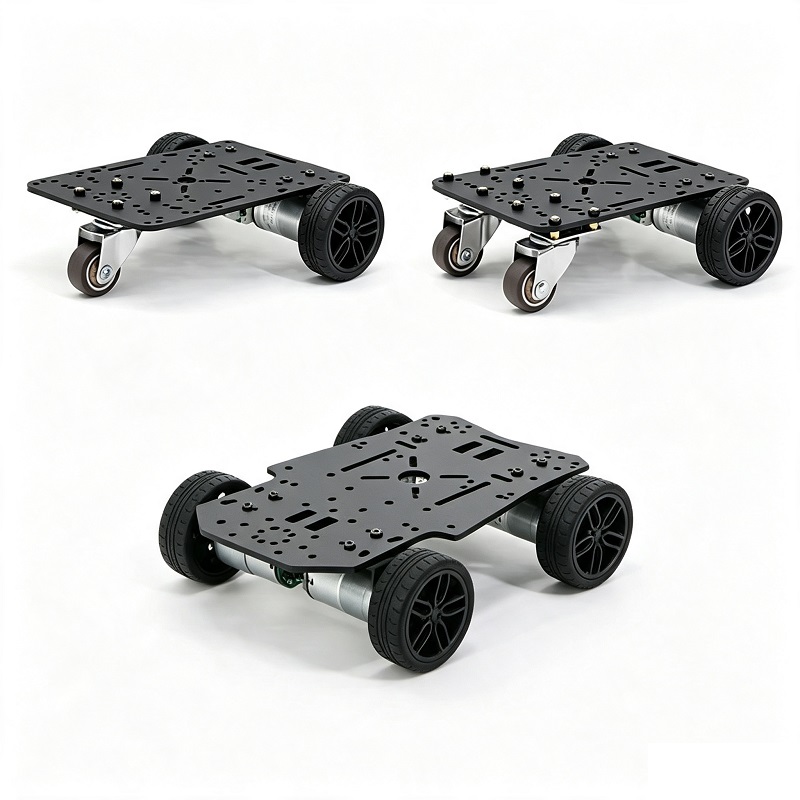
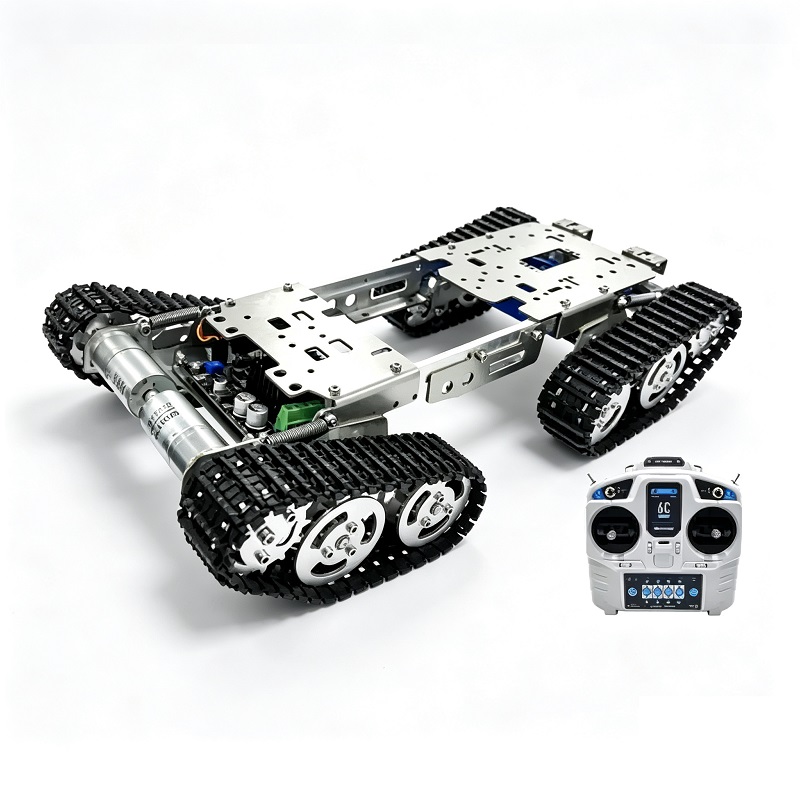
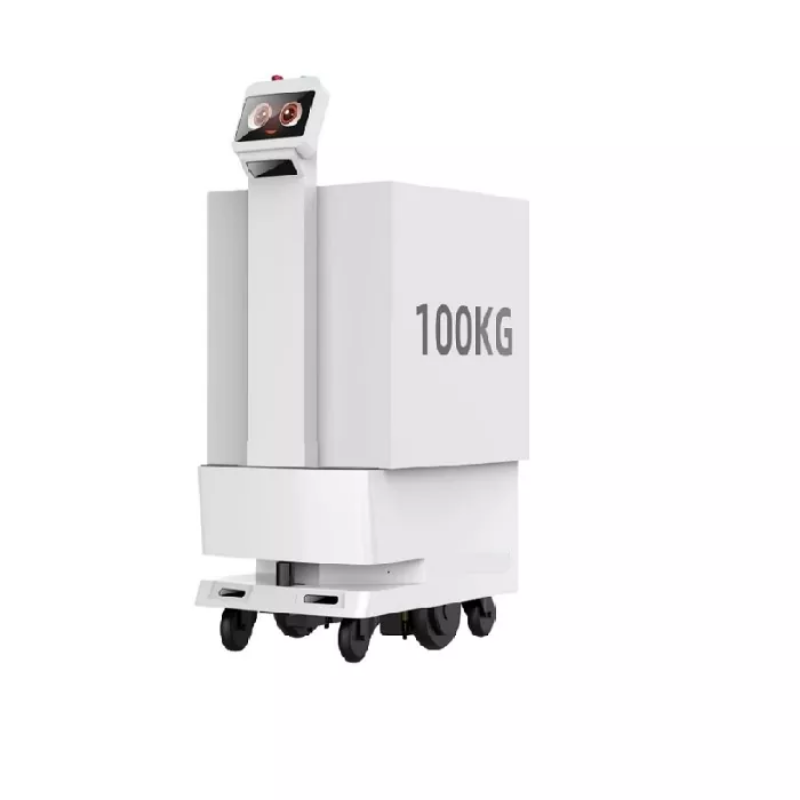
The current industry still faces many challenges, such as high initial investment, insufficient adaptability to non-ferrous material operations, and the need to improve extreme environmental stability, which are restricting the market penetration of wall climbing robots. In this regard, Tianjin Weide Aviation can leverage its technological advantages to optimize product adaptation capabilities: in the field of wall climbing robots, upgrade negative pressure adsorption and magnetic adsorption technologies, improve the adaptability of non-ferrous material walls, and strengthen the balance between chassis load and flexibility; Simultaneously linking tracked chassis and wheeled chassis products to build a "ground+high-altitude" collaborative operation solution, suitable for multiple scenarios such as high-altitude inspection and exterior wall maintenance. In the future, with the deep integration of AI navigation, digital twin technology, and wall climbing robots, they will upgrade from a single operation to an integrated system of "data acquisition+intelligent diagnosis". Tianjin Weide Aviation can iterate its product technology, promote the collaborative application of tracked chassis, wheeled chassis, and wall climbing robots, further expand the application boundaries, and help the industry enter a new stage of large-scale development.

Notizie correlate
Lasciami un messaggio
E-mail
info@tjwdhk.cn
Mobile
Indirizzo
Room 3025, Building 1, Zone F, Guangxuan Road, Airport International Headquarters Base, Dongli District, Tianjin City, China
X
Utilizziamo i cookie per offrirti una migliore esperienza di navigazione, analizzare il traffico del sito e personalizzare i contenuti. Utilizzando questo sito, accetti il ​​nostro utilizzo dei cookie. politica sulla riservatezza
Rifiutare Accettare