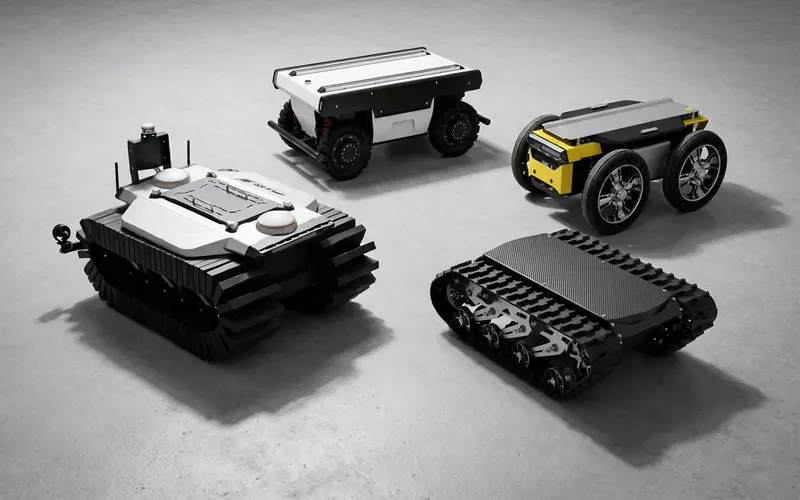
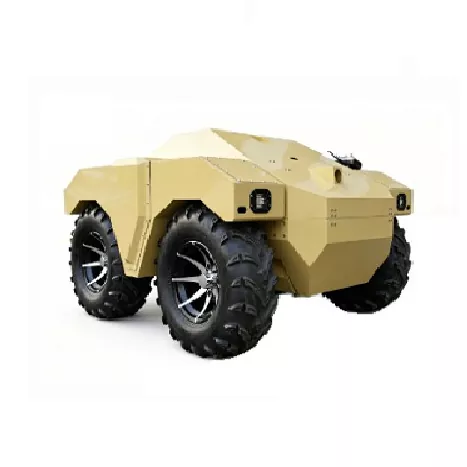
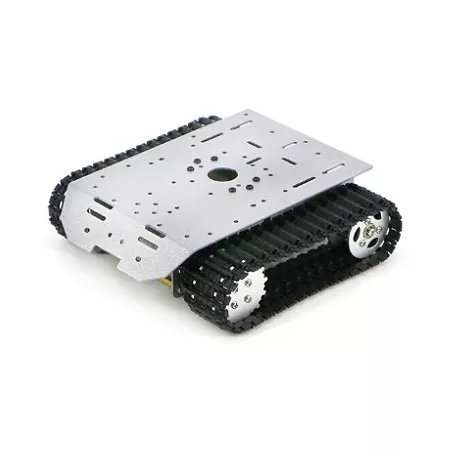
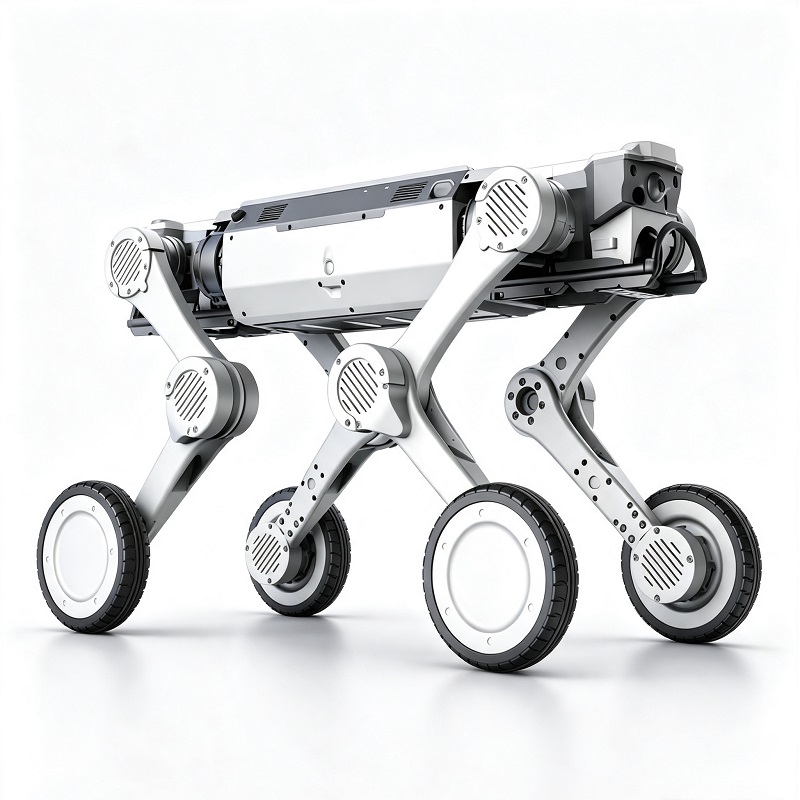
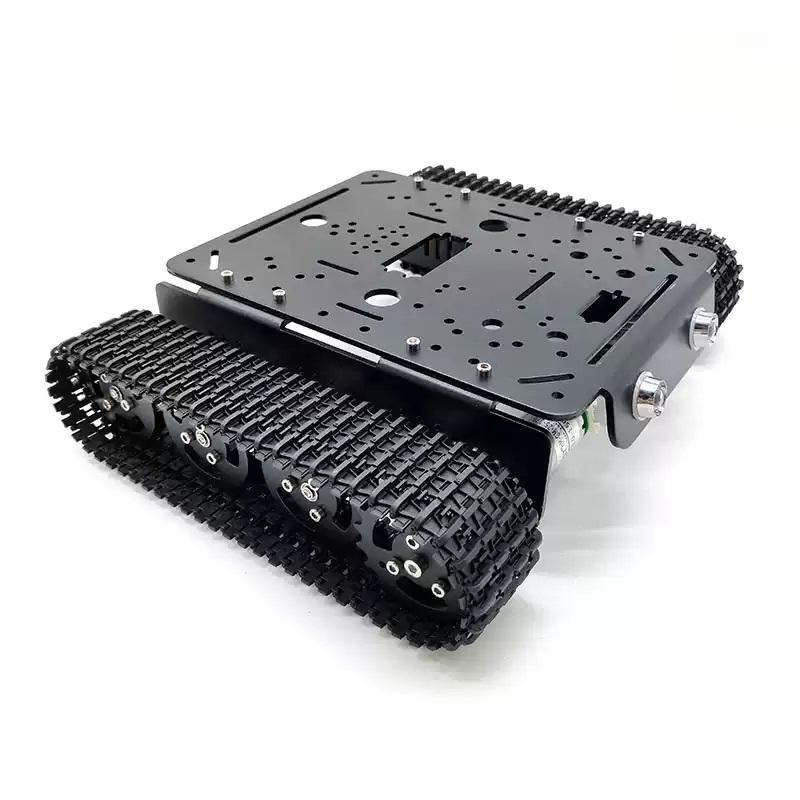
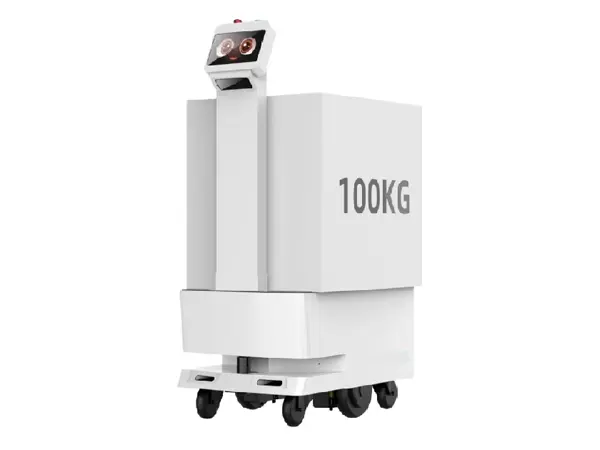
Wheeled Platforms have become a critical solution in modern logistics, manufacturing, warehousing, aviation support, and maintenance operations.
This article explores how and why these systems are reshaping operational efficiency, reducing labor strain, improving safety, and optimizing workflow in multiple industries.
It provides a deep dive into design principles, real-world applications, selection criteria, performance comparisons, and implementation strategies.
Whether you are upgrading an existing facility or designing a new workflow system, this comprehensive guide will help you understand the real value of Wheeled Platforms and how they solve persistent material handling challenges.
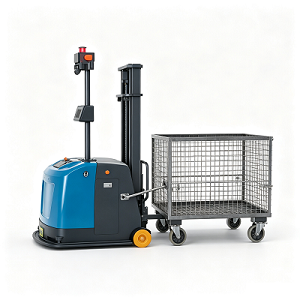
Wheeled Platforms are mobile transport structures designed to move heavy or bulky materials efficiently across short to medium distances.
They are widely used in warehouses, factories, airports, construction sites, and maintenance facilities where manual carrying is inefficient or unsafe.
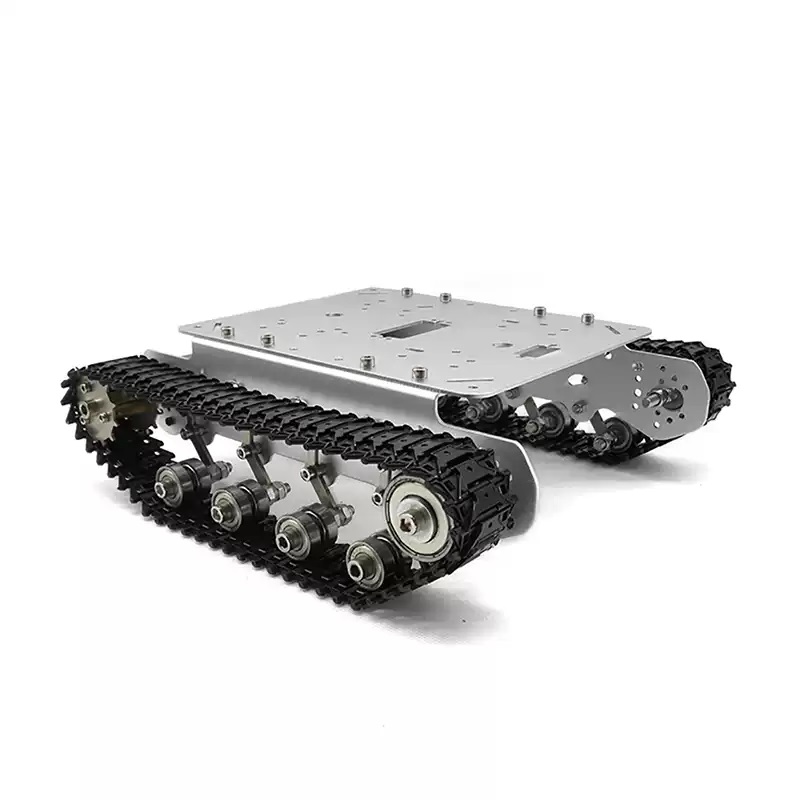
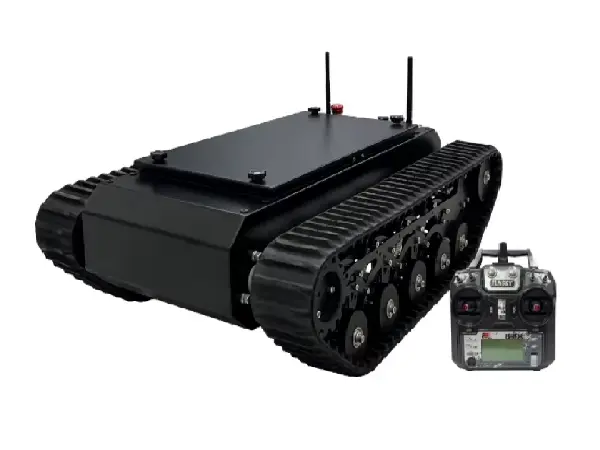
At their core, these platforms combine load-bearing structures with mobility systems such as caster wheels, industrial-grade rollers, or motorized drive units.
This combination allows operators to transport goods with minimal physical strain while maintaining high control and stability.
Unlike static handling tools, Wheeled Platforms introduce flexibility into workflow design, allowing operations to adapt dynamically to changing production or logistics demands.
2. Why Wheeled Platforms Matter in Modern Industry
Modern industries are driven by speed, efficiency, and safety. Wheeled Platforms directly address all three areas by eliminating unnecessary manual handling steps.
Efficiency improvement: Reduces time spent moving materials manually
Labor optimization: Allows workers to focus on higher-value tasks
Safety enhancement: Minimizes lifting injuries and workplace accidents
Workflow flexibility: Easily adapts to changing operational layouts
In high-volume environments, even small improvements in material handling efficiency can translate into significant cost savings over time.
3. Types of Wheeled Platforms and Their Functions
Different operational environments require different platform designs. Below is a breakdown of the most common types:
Type
Description
Primary Use
Manual Wheeled Platform
Simple flatbed structure with caster wheels
Light to medium warehouse transport
Heavy-Duty Platform
Reinforced steel frame with high-load capacity wheels
Industrial machinery transport
Foldable Platform
Compact, space-saving design
Retail and delivery operations
Motorized Platform
Powered movement system for automated transport
Large-scale logistics centers
Modular Platform
Expandable design for customizable load sizes
Aviation and manufacturing assembly lines
4. Key Benefits and Operational Advantages
Wheeled Platforms provide a wide range of benefits that directly improve operational efficiency and safety.
Time Efficiency: Faster movement of goods across facilities
Cost Reduction: Lower labor and equipment costs over time
Improved Workflow Design: Enables smoother production lines
Scalability: Easily integrated into expanding operations
In environments where speed and precision are essential, Wheeled Platforms become indispensable tools for maintaining operational continuity.
5. Wheeled Platforms vs Traditional Handling Methods
Understanding the difference between modern Wheeled Platforms and traditional manual handling systems highlights their value.
Factor
Traditional Handling
Wheeled Platforms
Speed
Slow and labor-intensive
Fast and efficient
Safety
High risk of injury
Significantly safer
Cost Efficiency
High long-term labor costs
Lower operational cost
Scalability
Limited
Highly scalable
The transition from traditional handling systems to Wheeled Platforms often results in immediate productivity improvements.
6. Industry Applications and Use Cases
Wheeled Platforms are widely used across multiple industries:
Manufacturing: Transporting raw materials and finished goods
Aviation: Moving tools, parts, and equipment in maintenance hangars
Warehousing: Efficient order picking and inventory relocation
Construction: Transporting tools and building materials
Healthcare: Moving medical equipment and supplies
Each industry benefits from improved operational flow and reduced manual workload.
7. How to Choose the Right Wheeled Platform
Selecting the correct Wheeled Platform requires careful evaluation of operational needs.
Load Capacity: Ensure the platform supports maximum expected weight
Wheel Material: Choose polyurethane, rubber, or steel based on surface type
Mobility Requirements: Manual vs motorized options
Durability: Industrial-grade materials for heavy environments
Size and Configuration: Must fit workspace layout
A well-chosen platform significantly reduces operational friction and increases return on investment.
8. Maintenance and Longevity Optimization
Proper maintenance ensures Wheeled Platforms remain reliable over long-term use.
Regular inspection of wheel bearings and axles
Lubrication of moving parts
Checking frame integrity for cracks or wear
Replacing worn-out wheels promptly
Cleaning to prevent debris accumulation
Routine maintenance not only extends lifespan but also ensures workplace safety.
9. Future Trends in Wheeled Platform Technology
The future of Wheeled Platforms is moving toward automation and smart integration.
AI-assisted navigation systems
IoT-enabled tracking and monitoring
Lightweight composite materials
Energy-efficient motorized systems
Modular smart logistics integration
These innovations will further enhance efficiency and reduce human dependency in logistics operations.
10. Frequently Asked Questions
Q1: What industries benefit most from Wheeled Platforms?
They are widely used in manufacturing, logistics, aviation, construction, and healthcare industries.
Q2: Are Wheeled Platforms suitable for heavy loads?
Yes, heavy-duty models are specifically designed to carry industrial-grade loads safely.
Q3: How long do Wheeled Platforms last?
With proper maintenance, they can last many years even in demanding environments.
Q4: Can they be customized?
Yes, many platforms are modular and can be tailored to specific operational requirements.
Q5: Do motorized versions require special training?
Basic operational training is recommended for safety and efficiency.
Conclusion & Contact
Wheeled Platforms are no longer optional tools—they are essential components of modern material handling systems.
They improve safety, reduce operational costs, and enhance workflow efficiency across industries.
As businesses continue to evolve, adopting advanced handling solutions becomes critical for maintaining competitiveness.
For high-quality industrial Wheeled Platforms designed with precision engineering and reliability in mind, Tianjin Weide Aviation Technology Co., Ltd.offers professional solutions tailored to diverse industrial needs.
If you are looking to upgrade your material handling system or explore customized solutions, contact ustoday to discuss how we can support your operational goals with advanced Wheeled Platform technologies.
Utilizziamo i cookie per offrirti una migliore esperienza di navigazione, analizzare il traffico del sito e personalizzare i contenuti. Utilizzando questo sito, accetti il nostro utilizzo dei cookie.
politica sulla riservatezza